


Commercial cleaning service in Celebration Florida exposes the labor behind a polished town
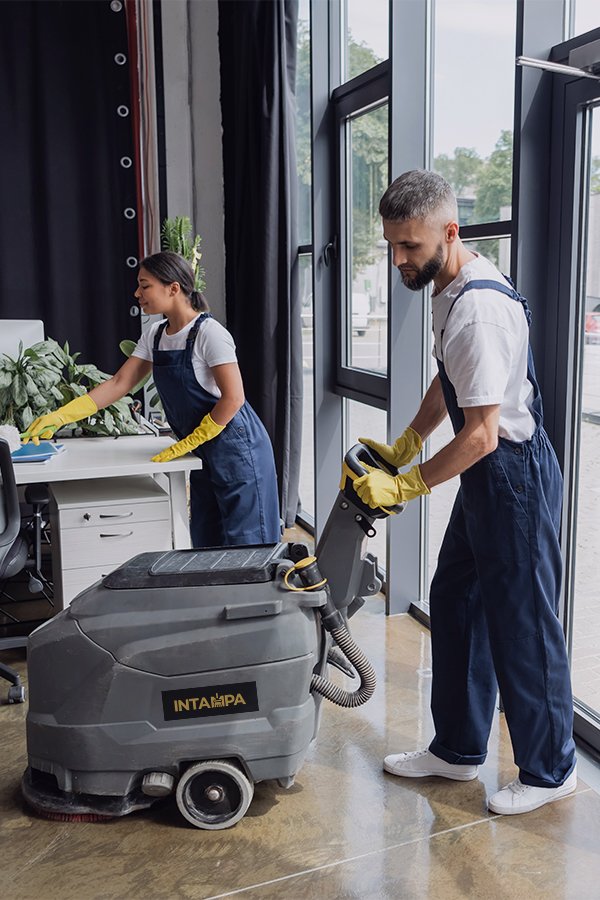
At 5 a.m., before the first coffee order and before office doors fill with staff, someone enters a dark building with a cart, gloves, chemicals, cloths, and a strict deadline. By sunrise, fingerprints disappear from glass, restroom supplies return to their places, trash leaves the property, and floors regain a uniform finish. Customers rarely see this shift. They notice its absence at once. A Commercial cleaning service in Celebration Florida operates inside this gap between public appearance and hidden labor.
The central argument is direct. Commercial cleaning in Celebration is not a cosmetic extra. It supports health, property value, customer trust, worker safety, and business continuity. Yet low bids, vague contracts, rushed schedules, and poor chemical training often transfer risk to cleaners while property owners receive inconsistent results. A serious cleaning program requires measurable standards, realistic staffing, and respect for the people performing the work.
Celebration’s image depends on invisible routines
Celebration was built around visual order. Streets, storefronts, offices, medical spaces, restaurants, and shared facilities follow a controlled public identity. Cleanliness forms part of this identity, though few visitors think about the labor behind it.
The 2020 Census counted 11,178 residents in Celebration, compared with 7,427 in 2010. People under 18 represented 27.9 percent of the population, while residents age 65 and older represented 18.7 percent. This age range places children, working adults, and older residents inside the same commercial spaces each day. Each group brings different mobility, health, and access needs.
A lobby floor carries rainwater from summer storms. A restaurant restroom faces heavy traffic after dinner. A medical office needs more than a pleasant scent. A retail counter gathers contact from hundreds of hands. An amenity room changes from a resident gathering to a business event within hours. These settings demand separate plans.
The polished result hides a basic tension. Businesses sell comfort and control. Cleaning workers confront bodily waste, food residue, dust, chemical exposure, sharp objects, spills, and time pressure. The cleaner absorbs the disorder so the customer sees order.
Why Commercial cleaning service in Celebration Florida matters to the visitor economy
Celebration sits inside Osceola County’s tourism system. Visitor spending reached $7 billion during 2024, equal to about $19.3 million each day. Tourism supported 40,700 jobs, or 35.3 percent of the county workforce, and generated a total economic impact of $10.6 billion.
This activity affects cleaning demand across hotels, restaurants, short-stay properties, retail spaces, offices, event venues, and mixed commercial and residential buildings. Visitor volume does not arrive evenly. Holiday periods, sports events, school breaks, conventions, and theme park traffic produce sudden peaks.
A property manager may schedule the same number of labor hours every week while foot traffic rises sharply. The result appears fast. Trash fills earlier. Restrooms lose supplies. Glass shows repeated contact. Food areas need more frequent attention. Outdoor debris moves indoors during rain. One fixed schedule fails since demand changes while staffing stays flat.
Commercial cleaning contracts should account for occupancy and traffic, not square footage alone. Two properties with equal floor area may carry different workloads. A quiet professional office differs from a restaurant corridor. A medical suite differs from a resident club. A vacation rental support office differs from a retail store near a visitor route.
Managers need service frequencies tied to real activity. Restrooms may require checks during business hours. Entrances may need added attention during rain. Food areas may need documented sanitation steps. Event spaces may need work before and after each booking. The contract should follow how people move through the building.
Clean is not the same as disinfected
The pandemic changed public language around hygiene, yet it also produced confusion. Many businesses began treating cleaning, sanitizing, and disinfecting as interchangeable actions. They are separate processes.
The Centers for Disease Control and Prevention states cleaning removes dirt and most germs through soap, water, and physical action. Sanitizing lowers germs to levels accepted under public health rules. Disinfecting kills most germs on surfaces through stronger chemical products. The CDC advises regular cleaning in most settings and targeted disinfection when circumstances support it.
This distinction affects cost and safety. Blanket disinfection across every surface wastes product, increases chemical exposure, and may damage finishes. A better plan identifies high-contact areas, illness events, food zones, restroom needs, and material compatibility.
A door handle may need frequent attention. A decorative wall may not. A desk shared across shifts carries a different risk from a private office. A medical waiting room needs a different protocol from a leasing office. A cleaning plan should name the surface, product, contact time, frequency, and responsible worker.
Contact time matters. A disinfectant often needs to remain wet for a stated period. A quick spray followed by an immediate wipe may fail to meet label directions. Workers need enough time to complete each step. A contract built around impossible production rates encourages shortcuts.
The low-bid problem
Commercial cleaning often enters a property budget as a cost to compress. Owners compare monthly totals, reduce frequencies, remove tasks, and expect the same visual result. This approach misunderstands labor.
The Bureau of Labor Statistics reports a median hourly wage of $17.27 for janitors and building cleaners in May 2024. The agency projects about 351,300 job openings each year from 2024 through 2034, largely since workers leave the occupation or exit the labor force.
Cleaning work often happens at night, on weekends, or during holidays. Workers move heavy trash, bend repeatedly, handle chemicals, push equipment, and enter spaces after occupants leave. A low contract price often reaches the worker through fewer labor hours, lower pay, limited training, thin supervision, or inadequate supplies.
The customer eventually pays for this compression. Missed tasks produce complaints. Staff turnover weakens consistency. New workers enter without full property knowledge. Equipment receives poor maintenance. Supervisors spend time repairing service failures. Floors wear faster when soil stays embedded. Restrooms lose credibility after repeated neglect.
A responsible bid should show labor assumptions. Property owners should know expected staffing, shift length, supervision, equipment, supply responsibility, and task frequency. A price without this structure hides the operating model.
The chemical risk stays with the cleaner
Cleaning chemicals support hygiene, yet poor handling creates health and property risks. Workers face skin contact, eye exposure, breathing irritation, and dangerous reactions when products mix.
The Occupational Safety and Health Administration advises employers to train workers, maintain safety data sheets, label containers, provide protective equipment, and prevent hazardous chemical combinations. Bleach and ammonia belong apart since their mixture produces toxic gases. Ventilation also matters in enclosed rooms.
Training must match the property. A worker in a restaurant needs guidance for food-contact surfaces. A worker in a medical office needs protocols for bodily fluid incidents. A floor technician needs product knowledge for stone, vinyl, tile, wood, and coated surfaces. A cleaner working near electronics needs moisture controls.
Color-coded cloths and tools reduce cross-contamination. Restroom materials should stay separate from break-room materials. Dilution systems reduce guesswork. Locked chemical storage protects workers, tenants, and visitors. Labels should remain readable in the languages spoken by the crew.
A checklist without accountability is decoration
Many cleaning companies present long checklists. Length does not guarantee performance. An effective checklist connects tasks with frequency, location, inspection, and correction.
“Clean restroom” lacks precision. A stronger standard lists fixtures, partitions, dispensers, mirrors, floors, drains, touchpoints, odor, supplies, and waste. It also states how often staff inspect the room and how managers record deficiencies.
Digital verification helps when it supports work rather than surveillance. Time stamps, inspection photos, supply reports, and issue tickets give managers a shared record. Yet technology should not replace direct supervision. A photo may miss odor, sticky residue, poor air quality, or a loose fixture.
Managers should inspect during several conditions. A building may look clean at 7 a.m. and fail by lunch. Restrooms may pass after service and decline during peak traffic. Entrances may look fine in dry weather and become unsafe during a storm. Performance needs observation across the business day.
The best metrics connect cleaning with outcomes. Track complaints, slip incidents, restroom supply failures, repeat defects, floor damage, pest sightings, odor reports, and response time. A low complaint count means little when occupants stopped reporting problems.
What businesses should demand from a cleaning partner
A strong agreement starts with a site assessment. The provider should inspect traffic patterns, floor materials, restrooms, kitchens, waste areas, entrances, glass, storage rooms, elevators, stairs, and security procedures.
The scope should separate daily work, periodic work, and emergency work. Daily work may include trash, restrooms, touchpoints, floors, and visible glass. Periodic work may include carpet extraction, floor refinishing, high dusting, detailed kitchen cleaning, and interior windows. Emergency work may cover spills, leaks, illness events, storm debris, or post-construction residue.
Property owners should ask for staffing plans, training records, insurance, safety procedures, quality inspections, background screening policies, and escalation contacts. They should also define access rules, alarm procedures, lost-item reporting, damaged-property reporting, and confidentiality.
A provider should report maintenance concerns found during service. Cleaners often see leaks, loose handrails, blocked exits, pest activity, broken dispensers, and damaged flooring before office staff arrive. This observation role adds operational value when reporting follows a clear chain.
Price still matters. The lowest number should not control the decision without service detail. Compare labor hours, included supplies, equipment, frequencies, supervision, and response capacity. A cheaper contract with constant failures creates a larger cost through staff time, tenant dissatisfaction, and asset damage.
Commercial cleaning service in Celebration Florida is a labor policy inside a property contract
Every cleaning agreement distributes time, risk, and responsibility. It determines whether workers receive enough minutes to clean a restroom safely. It decides whether a supervisor checks late-night work. It sets the chemical training standard. It shapes how quickly a spill receives attention. It tells tenants how much management values shared space.
A Commercial cleaning service in Celebration Florida deserves evaluation as part of building operations, not as background labor. The service affects first impressions, infection control, floor life, employee morale, customer confidence, and regulatory exposure.
Celebration’s public identity depends on consistency. Consistency does not come from scent, polished marketing, or a long task list. It comes from trained people, realistic schedules, proper equipment, clear standards, and managers willing to inspect what customers rarely see.
The cleaner arriving before sunrise does more than remove yesterday’s mess. The worker prepares the building for every person entering next. A business shows its real standards in how it supports this work.