


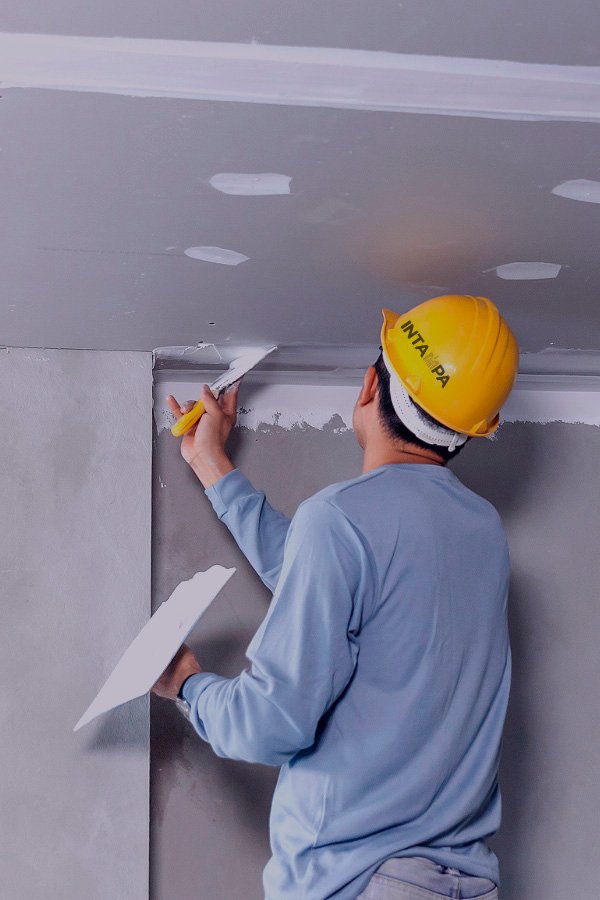
Drywall repair service in Celebration Florida protects the structure behind every finished wall
Drywall repair service in Celebration Florida often begins with a small visual defect. A brown ceiling stain. A soft patch beside a window. A crack above a door. A hole left after a tenant moves out. The damage looks local, yet the cause may sit inside plumbing, roofing, framing, ventilation, or exterior sealing. A smooth patch means little when moisture or movement continues behind it.
Celebration carries high expectations around housing condition and property presentation. U.S. Census Bureau estimates for 2020 through 2024 place the median owner-occupied housing value at $635,000 and median gross rent at $2,020. Those figures place routine wall repair inside an expensive housing market where delayed maintenance affects leasing, resident trust, resale preparation, and long-term property costs.
The central argument is direct. Drywall repair should begin with diagnosis, follow moisture and safety controls, restore the damaged assembly, match the existing finish, and leave a documented record. Fast compound over an active problem hides evidence and transfers expense into the future.
A wall defect often starts somewhere else
Drywall rarely fails without a reason. Impact creates holes and dents. Building movement creates cracks. Plumbing leaks stain ceilings and lower walls. Roof or window failure sends water into cavities. Poor bathroom ventilation keeps surfaces damp. Loose fasteners create visible pops. Failed tape leaves seams and corners exposed.
The first inspection should identify location, shape, color, texture, odor, and moisture. A clean impact hole needs a different response from a soft ceiling below an upstairs bathroom. A straight crack along a taped joint differs from a diagonal crack moving from a window corner. Repeated repair in the same spot signals an unresolved source.
Technicians should check nearby plumbing, caulk, windows, roof areas, air-conditioning components, and exterior walls when the pattern points toward water. Structural movement, broad ceiling sag, electrical exposure, or extensive contamination needs escalation to the appropriate specialist.
Drywall repair service in Celebration Florida starts with moisture control
Central Florida heat and humidity give water damage extra urgency. EPA guidance states wet building materials should dry within 24 to 48 hours to reduce mold growth. Drywall contains a paper facing and a gypsum core. The paper layer supports microbial growth when moisture remains.
A minor clean-water event caught early may allow drying after the source receives repair. Saturated, crumbling, swollen, or mold-affected drywall often needs removal. EPA guidance notes porous materials may require disposal when mold enters spaces and crevices beyond practical cleaning.
A repair crew should never close a wall cavity while framing, insulation, or nearby materials remain damp. Moisture readings and visual inspection help confirm conditions before replacement board goes in. Air movement and dehumidification support drying, but they do not replace leak repair.
A fresh patch over wet material creates a sealed maintenance failure. The stain returns, odor develops, paint blisters, or the new compound separates.
The cut needs clean boundaries
Small holes may receive a patch system. Larger damage often needs removal back to sound material and secure framing support. The cut should create straight edges where possible. Damaged paper, loose gypsum, and weak sections need removal before new board enters the area.
Backing strips or framing provide support around the patch. Board thickness should match the existing wall or ceiling. Wrong thickness creates a raised or recessed repair, which becomes harder to hide across a broad surface.
Fastener spacing matters. Too few screws allow movement. Screws set too deep break the paper face and weaken the hold. Screws left proud interfere with finishing compound.
Ceiling repairs need added attention because gravity works against loose material. Broad sagging may point toward water saturation, framing issues, or failed attachment. A small cosmetic patch should never replace a full assessment when the ceiling has lost shape.
Joint finishing separates repair from concealment
A drywall patch becomes visible through poor joint finishing long after paint dries. Thick compound leaves a hump. Narrow feathering creates hard edges. Rushed sanding exposes tape or damages surrounding paper. Weak drying time creates shrinkage and repeat coats.
The technician should apply joint tape and compound in controlled layers. Each coat needs enough drying before the next stage. Wider feathering helps the repair blend into the existing plane. Sanding should remove ridges without hollowing the center or scarring nearby surfaces.
Dust control matters in occupied homes, offices, and rental turns. OSHA identifies drywall sanding as a dust-producing task and points contractors toward exposure controls. Vacuum-assisted sanding, localized barriers, floor protection, and careful cleanup reduce spread into vents, furniture, cabinets, and neighboring rooms.
Sweeping fine dust into the air creates more cleanup and worker exposure. A controlled vacuum system and damp final wipe support a cleaner handoff.
Texture matching requires patience
Celebration properties may contain smooth walls, orange-peel texture, knockdown texture, skip patterns, or earlier repair layers. Matching texture often creates more difficulty than filling the hole.
The crew should study pattern size, density, direction, and surrounding paint buildup. A small test area helps tune spray pressure or hand technique before full application. Fresh texture also needs drying before primer.
Texture matching has practical limits. Aging paint, previous patches, sunlight, and repeated coatings change the surrounding surface. A spot repair may remain visible under side lighting even after careful work. Broad wall or ceiling painting often gives a more consistent result.
A professional estimate should state whether the scope includes patch painting, full-wall painting, ceiling painting, or texture blending alone.
Primer protects the repaired area
Joint compound and exposed drywall paper absorb paint differently from an existing coated wall. Primer seals porous repair material and reduces dull spots. Stains from water, smoke, grease, or tannins may need a stain-blocking primer after the source receives correction.
Painting directly over compound often creates flashing, where the repaired zone looks flatter or duller than the surrounding finish. One paint coat may also leave texture variation visible.
Color records help. Property managers should keep brand, product line, color formula, and sheen for recurring turnover work. Even with exact records, aged paint may no longer match a fresh batch. Full-wall coating may offer a better visual result.
Rental turnover turns minor damage into schedule pressure
Vacant units place several crews inside a narrow timeline. Junk removal, plumbing, electrical work, drywall repair, painting, flooring, cleaning, and final inspection compete for access.
Drywall repair should follow leak correction, demolition, and concealed-system work. It should come before final painting, carpet service, and detailed cleaning. Poor sequence creates dust on clean floors and new paint damage after later repairs.
A room-by-room punch list helps management rank damage. Small nail holes, door-handle impacts, torn paper, corner damage, ceiling stains, and failed tape need separate categories. Photos before and after work create a clear record for owners, managers, residents, and vendors.
Florida Statute 83.51 requires landlords to follow applicable building, housing, and health codes. Where relevant codes do not apply, the statute addresses structural components and reasonable plumbing condition. Drywall condition may connect with those duties when damage points toward leaks, unsafe assemblies, or habitability concerns.
Occupied repairs need stronger controls
A repair inside an occupied home affects daily life. Dust enters belongings. Noise interrupts work and sleep. Furniture limits access. Children and pets may approach tools or wet compound.
The service plan should define the work zone, access time, furniture movement, ventilation, and daily cleanup. Plastic barriers, floor coverings, and closed air returns may reduce dust movement when suited to the property and HVAC plan. Residents need clear reentry guidance after sanding, primer, or paint.
Technicians should protect outlets, switches, smoke alarms, fixtures, floors, and nearby cabinets. Electrical openings exposed by wall damage need safe assessment before patching.
Daily cleanup matters when the project spans several visits. Tools, blades, screws, and compound should leave the living area secure between stages.
Older properties need lead-safe review
Celebration developed mainly after the federal lead-paint cutoff, yet property managers may oversee older homes elsewhere in Central Florida. EPA’s Renovation, Repair and Painting Rule applies to paid work disturbing painted surfaces in most pre-1978 housing and child-occupied facilities.
Covered firms and renovators need certification and lead-safe work practices. Drywall repair may disturb painted material during cutting, sanding, scraping, or demolition. The building date and project scope should enter contractor screening before work begins.
A clean-looking patch does not prove compliant containment or cleanup. Certification records and documented procedures provide a stronger standard.
Repair pricing should reflect cause and finish
Drywall estimates should identify damage size, location, board thickness, access, texture, primer, paint, protection, debris removal, and number of visits. Ceiling work, high walls, water damage, insulation, electrical obstacles, and broad texture matching change labor.
A low bid may cover compound and paint while excluding leak diagnosis, drying, insulation removal, full-wall coating, or return visits. Equal price comparison requires equal scope.
Property managers should ask which conditions stop the job. Active leaks, broad mold growth, unstable framing, asbestos concerns, major electrical damage, or structural movement deserve separate assessment.
INTAMPA INC and coordinated property repair
INTAMPA INC lists drywall repair and handyman work for homes, offices, commercial buildings, rentals, and property maintenance across Central Florida. Its related services include interior painting, unit painting, move-out cleaning, unit punch work, junk removal, and floor care.
This service mix supports rental turns and occupied repairs where wall damage connects with paint, cleanup, or minor maintenance. Each project still needs a site-specific scope, repair photos, access plan, product details, and approval limits.
A stable wall matters more than a hidden hole
Drywall repair service in Celebration Florida sits at the meeting point between appearance and building condition. The wall may show the first symptom of a plumbing leak, roof issue, impact, movement, or ventilation problem. Treating every defect as a cosmetic task weakens the property.
A disciplined repair process finds the source, removes unsound material, dries the assembly, rebuilds support, controls dust, matches texture, seals the patch, and documents the result.
Residents see a finished wall. Property managers should see something broader. The repair should prove the building received attention before a small defect became a larger cost.